
Exploring How Long Can A Snake Stay Underwater
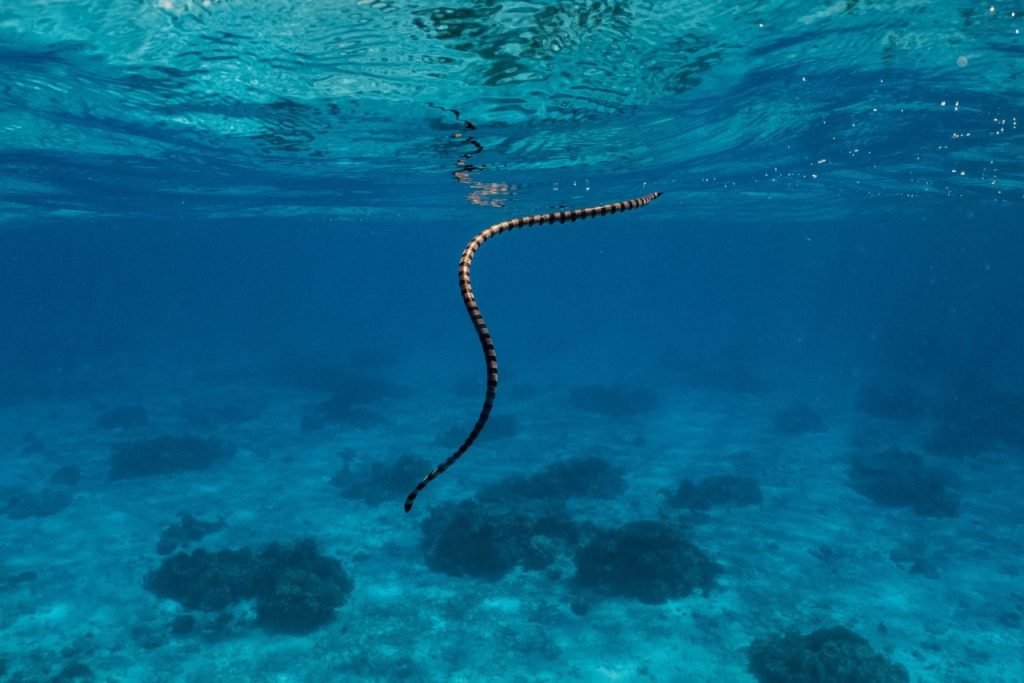
Snakes are remarkable creatures with surprising abilities, and one of the most intriguing questions about them is: how long can a snake stay underwater? The fascinating answer lies in their extraordinary adaptations that allow them to navigate the depths with ease. As we delve into this topic, we uncover the secrets behind the snake’s impressive aquatic prowess, shedding light on their remarkable breath-holding capabilities. Join us on this underwater exploration as we unravel the mysteries of how long a snake truly can stay submerged.

How Long Can a Snake Stay Underwater?
Welcome to our in-depth exploration of how long a snake can stay underwater! Snakes are fascinating creatures, with many unique abilities that set them apart from other animals. One of these abilities is their remarkable capability to stay submerged for extended periods. In this article, we will delve into the intriguing world of aquatic snakes and uncover just how long they can hold their breath underwater.
The Adaptations of Aquatic Snakes
Before we can understand how long a snake can stay underwater, it’s essential to explore the adaptations that make this feat possible. Aquatic snakes have evolved specialized features that allow them to thrive in watery environments. One such adaptation is their ability to hold their breath for extended periods, thanks to physiological changes in their respiratory system.
Unlike land-dwelling snakes, aquatic species have developed adaptations that enable them to exchange gases efficiently while submerged. These adaptations include highly vascularized tissues that enhance gas exchange and oxygen storage capacities, allowing them to stay underwater for prolonged periods without needing to resurface.
Respiratory System of Aquatic Snakes
The respiratory system of aquatic snakes is well-suited for underwater survival. These snakes have developed the ability to slow down their metabolic rate while submerged, reducing the need for oxygen intake. Additionally, their lungs have increased surface area and capacity to store oxygen, enabling them to extract as much oxygen as possible from each breath.
Furthermore, aquatic snakes can regulate their heart rate and blood flow to prioritize oxygen delivery to vital organs while conserving energy. These adaptations work together to extend the amount of time a snake can spend underwater, allowing them to hunt, evade predators, and navigate their aquatic habitats effectively.
Factors Affecting Underwater Endurance
While aquatic snakes possess impressive adaptations that enable them to stay submerged for extended periods, several factors can influence their underwater endurance. These factors play a significant role in determining how long a snake can hold its breath and remain underwater before needing to resurface.
Species Variations
Not all snake species have the same abilities when it comes to underwater survival. Some aquatic snakes, such as the anaconda and sea snakes, are known for their exceptional diving capabilities and can stay underwater for considerable lengths of time. On the other hand, certain species may have limited underwater endurance due to their physiological limitations.
Species-specific adaptations, such as lung capacity, metabolic rate, and oxygen storage capacity, can impact how long a snake can stay underwater. Understanding these variations among snake species is crucial in determining their aquatic behavior and survival strategies.
Environmental Conditions
The environment in which a snake resides can also influence its ability to stay underwater. Factors such as water temperature, oxygen levels, and water quality can affect how long a snake can hold its breath and remain submerged. Snakes living in colder waters may have a slower metabolic rate, allowing them to conserve energy and oxygen while underwater.
Additionally, aquatic snakes in habitats with low oxygen levels may need to resurface more frequently to replenish their oxygen supply. Understanding how environmental conditions impact underwater endurance is essential in studying the behavior and ecology of aquatic snake species.
Maximum Underwater Endurance of Snakes
So, how long can a snake stay underwater? The maximum duration a snake can hold its breath and remain submerged varies depending on the species and environmental factors. Some aquatic snakes, like the olive sea snake, have been known to stay underwater for over two hours at a time, showcasing their remarkable underwater endurance.
On average, most aquatic snakes can stay submerged for 10 to 30 minutes before resurfacing to breathe. However, certain species with exceptional adaptations can extend this time significantly, allowing them to navigate their underwater habitats with ease.
Record-Breaking Aquatic Snakes
Among the record-breakers in underwater endurance are sea snakes, which have been observed staying underwater for up to two hours without needing to breathe. These snakes have evolved specialized respiratory adaptations that enable them to dive to great depths and remain submerged for extended periods while hunting for prey.
Similarly, anacondas, known for their enormous size and strength, can also hold their breath for impressive durations while submerged in freshwater habitats. These massive snakes have adapted to thrive in aquatic environments and exhibit exceptional underwater endurance compared to other snake species.
In conclusion, snakes exhibit remarkable underwater endurance, thanks to their specialized adaptations and physiological changes that enable them to thrive in aquatic environments. While the duration a snake can stay underwater varies among species and environmental conditions, aquatic snakes have proven their ability to navigate underwater habitats effectively and hunt for prey with remarkable efficiency.
Next time you encounter an aquatic snake, remember the incredible abilities that allow them to stay submerged for extended periods, showcasing the wonders of nature’s diversity and adaptation!
Thank you for joining us on this exploration of how long a snake can stay underwater. Stay curious, stay amazed, and continue to marvel at the mysteries of the natural world!
Can Sea Snakes Breathe Underwater?
Frequently Asked Questions
How long can a snake hold its breath underwater?
Snakes are capable of staying underwater for an extended period, typically ranging from 10 minutes to 1 hour, depending on the species. Their ability to hold their breath is due to physiological adaptations that allow them to slow down their metabolic rate while submerged.
What enables snakes to stay submerged for extended periods?
Snakes possess specialized respiratory systems that permit them to close off their nostrils and trachea while underwater, effectively preventing water from entering their airways. This adaptation allows them to conserve oxygen and stay submerged without the immediate need to resurface for air.
Can all snake species stay underwater for similar durations?
No, the duration for which a snake can stay underwater varies among species. Aquatic snakes are generally capable of staying submerged for longer periods compared to terrestrial species. The specific habitat and lifestyle of the snake play a significant role in determining their underwater breath-holding capacity.
Final Thoughts
In conclusion, snakes can stay underwater for extended periods due to their ability to hold their breath. Factors like species, size, and activity level influence how long a snake can remain submerged. Some snakes, such as anacondas, can stay underwater for over 10 minutes, while others may only manage a few minutes. Understanding how long can a snake stay underwater is essential for their survival in aquatic environments.


